• Antigua shifts UN vote on Cuba embargo after U.S. Visa warning

    Antigua shifts UN vote on Cuba embargo after U.S. Visa warning

    Antigua and Barbuda altered its intended position on a United Nations resolution calling for an end to the United States economic embargo against Cuba after Washington warned that supporting the measure could jeopardize ongoing negotiations over visa restrictions affecting its citizens, Prime Minister Gaston Browne has revealed.

    Speaking on his weekly radio program, Prime Minister Browne disclosed that his government had originally planned to vote in favor of Cuba’s long-standing resolution. However, the administration reconsidered its stance after receiving a direct call from the U.S. State Department. American officials advised that progress was being made in bilateral talks regarding visa access for Antiguan and Barbudan nationals, warning that a vote supporting Havana would undermine those delicate negotiations. Following the intervention, the government instructed its ambassador to the United Nations in New York to abstain from the vote. Ultimately, Antigua and Barbuda was recorded as absent during the October 28 roll call after the ambassador failed to attend the session.

    The diplomatic maneuver highlights broader divisions across the Caribbean Community (CARICOM) regarding economic relations and human rights in the region. During the October 28 vote on the U.S. embargo, CARICOM member states took sharply contrasting positions. Jamaica, Haiti, and Guyana joined Antigua and Barbuda in abstaining or missing the vote, while Trinidad and Tobago voted against the resolution, with Prime Minister Kamla Persad-Bissessar arguing that her country could not remain silent on oppression in Cuba. Meanwhile, seven CARICOM nations—including the Bahamas, Barbados, Belize, Grenada, St. Kitts and Nevis, St. Vincent and the Grenadines, and Suriname—voted in favor of ending the embargo. Dominica and St. Lucia joined Antigua and Barbuda on the list of absent nations.

    The government’s vote shift underscores the intense pressure surrounding U.S. non-immigrant visa restrictions, which have severely restricted travel for Antiguan and Barbudan citizens. Browne addressed the diplomatic dilemma after a female constituent called into his radio show explaining that she was unable to travel to the United States to visit her ailing mother due to an expired visa and ongoing administrative hurdles. Expressing deep frustration, Browne emphasized that Antigua and Barbuda has historically maintained strong, cooperative relations with Washington and has taken no action to justify travel sanctions against its population.

    In an effort to address U.S. and European security concerns, the government has moved to dismantle its Citizenship by Investment (CBI) programme, which grants citizenship to foreign investors in exchange for financial contributions toward socio-economic development. Browne revealed that his administration formally agreed to suspend the CBI program and communicated its decision to the European Union, requesting a three-and-a-half-year phase-out period. Following an official agreement taking effect after November 12, the government intends to formally notify international partners of the program’s suspension in hopes of removing the primary pretext cited for visa restrictions.

    Despite these concessions, the prime minister acknowledged ongoing uncertainty over whether the citizenship program is the sole driver of U.S. policy. Browne noted that the visa restrictions appear to have originated from a high-level determination within the White House rather than standard State Department channels, complicating efforts to achieve a quick reversal. Nevertheless, he affirmed that senior officials in his administration and supportive diplomats within the State Department continue to pursue active diplomatic engagements to resolve the restrictions and restore easy travel access for citizens.

  • 62 workers at risk after lingering mold find at financial complex

    62 workers at risk after lingering mold find at financial complex

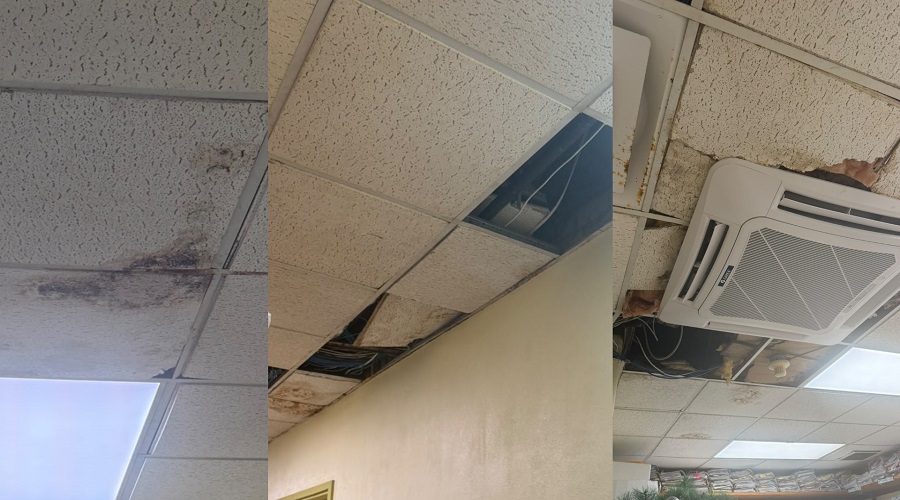
    Information obtained by investigative reporters indicates that an environmental health situation is reportedly developing at the Economic Planning Division, located on the second floor of the Financial Complex in Kingstown. According to documentation made available to our news personnel, environmental testing was performed at the government facility on May 27, 2026, by a private testing firm based in Villa.

    The findings of the purported assessment indicate that mold contamination was detected across the entire second floor of the building, with the highest concentration levels reportedly recorded within the employee lunchroom area. The administrative level in question accommodates approximately 62 public officers, comprising staff members assigned to both the Statistics Department and the Economics Department.

    Reports regarding the handling of the environmental evaluation suggest that the testing document was not formally disseminated or reviewed among the general staff. Consequently, employees have expressed growing apprehension over workplace safety conditions, with several workers reportedly requiring multiple medical consultations and doctor visits for symptoms purportedly associated with environmental exposure.

    Furthermore, the designated lunchroom facility has reportedly rendered daily dining routine problematic, leaving personnel struggling to identify suitable alternative dining locations during work hours.

    Attempts by reporters to secure official clarification from relevant administrative personnel regarding the status of the facility and remedial protocols proved futile prior to publication.

    While several affected public officers acknowledged experiencing health concerns, individuals declined to provide formal on-the-record statements, citing apprehension regarding potential workplace repercussions or confidentiality obligations.

    The publication will continue to track this developing story as official statements or additional verified documentation become available.

  • CCF marks universal children’s day with a celebration of children’s media

    CCF marks universal children’s day with a celebration of children’s media

    Trinidadian author and illustrator Jeunanne Alkins will headline a free Universal Children’s Day conversation hosted by the Caribbean Culture Fund (CCF) on Friday 20 November. She will be joined by two CCF grantees who make books, stories and digital spaces for Caribbean children and teens. “Caribbean Children, Caribbean Stories: From Representation to Ownership” runs on Zoom from 10:00 a.m. ET

    Alkins trained as a journalist at the Caribbean School of Media and Communication (CARIMAC) in Kingston and has spent two decades making books and designs for Caribbean children. This year she returned to CARIMAC as the featured artist in its CCF-funded media artist residency.

    Her talk will draw on that residency and on Bright Eyed, her storyworld project, exploring how original Caribbean stories can travel across books, animation, games, interactive exhibitions and immersive technologies, creating new ways to play, discover and learn. She will also share the development of Bim & Bam, a new children’s media property that explores travel through the region from a distinctly Caribbean perspective.

    Each grantee panelist works with a different youth age group. Sonia Dumas joins from Zum Zum Museum in Trinidad and Tobago, whose Once Upon a Caribbean Time produces picture books for children aged four to eight, built around folktale characters and made almost entirely from recycled materials. Efua Akoma’s Island Life: Where Family, Culture and Farms Thrive brings children’s book authors and farming families in Grenada, Dominica and St. Lucia together in an illustrated anthology of farm stories and food folklore.

    “These artists are writing the books, lessons and stages our children will grow up with. On Universal Children’s Day, we want them to hear from each other, and we want the people who fund children’s futures to hear from them,” said Kellie Magnus, Executive Director of the Caribbean Culture Fund.

    The speakers represent a wider share of CCF’s work. Of its first 100 grantees, 14 projects in 12 Caribbean countries and territories are made for or with children and teens: nine are built around young audiences, and five include a dedicated school or children’s programme. They include animation for children in Dominica, and film and comics made with young Dominicans of Haitian descent affected by denationalisation.

    Registration is open at https://bit.ly/4dZ1ab4

  • SVG among islands advancing Blue Economy

    SVG among islands advancing Blue Economy

    Joint promotion of Grenada, Saint Lucia and Saint Vincent and the Grenadines highlights the power and value of regional cooperation in advancing the Eastern Caribbean’s Blue Economy.

    The Organisation of Eastern Caribbean States (OECS) Commission, through the World Bank-funded Unleashing the Blue Economy of the Caribbean (UBEC) Project, has successfully concluded its participation in the 2026 Fort Lauderdale International Boat Show (FLIBS), held from October 28 to November 1, 2026, in Fort Lauderdale, Florida, United States.

    The initiative brought together the tourism authorities of Grenada, Saint Lucia and Saint Vincent and the Grenadines to showcase the three countries as a unified, multi-destination yachting destination, highlighting the diverse marine tourism experiences and the opportunities for visitors to explore the southern Eastern Caribbean through a single yachting itinerary.

    Recognised as the largest in-water boat show in the world, FLIBS provided an international platform for the participating countries to engage directly with yacht owners, charter brokers, marine tourism operators, industry professionals and prospective visitors. The 2025 edition attracted more than 100,000 attendees, over 1,000 exhibitors representing 52 countries and more than 1,300 boats, underscoring the event’s significance within the global boating and yachting industry.

    Throughout the five-day event, representatives from the three tourism authorities worked collaboratively to promote their respective destinations while highlighting the advantages of experiencing Grenada, Saint Lucia and Saint Vincent and the Grenadines as part of a single Caribbean yachting itinerary.

    The joint promotion showcased the distinctive yet complementary attractions of the three countries, including Grenada’s picturesque anchorages, vibrant culture and marine services; Saint Lucia’s iconic Pitons, scenic coastline and established yachting facilities; and Saint Vincent and the Grenadines’ spectacular archipelago, secluded bays and world-renowned island-hopping experiences.

    The collaboration demonstrated the value of presenting the destinations collectively, allowing each country to highlight its individual strengths while contributing to a stronger regional presence in a competitive international yachting market.

    Maria Fowell, Senior Technical Specialist for Tourism at the OECS Commission, highlighted the strategic value of this approach of positioning the Eastern Caribbean as a connected yachting destination.

    “The three countries have identified yachting as a key area to be highlighted. This collaboration provides greater exposure for our Eastern Caribbean region, particularly within the international yachting and boating industry.

    The collective approach also provided opportunities for the tourism authorities to exchange knowledge, strengthen professional relationships and identify areas for continued cooperation to advance the shared ambition of promoting sustainable marine tourism.

    Beyond showcasing their destinations, the participating tourism authorities used FLIBS to engage directly with key stakeholders in the international yachting industry, gather market intelligence and explore opportunities for future partnerships.

    Shanai St. Bernard, Nautical Development Manager at the Grenada Tourism Authority, highlighted the importance of face-to-face engagement with yacht charter brokers and other industry professionals in understanding market trends and identifying opportunities to strengthen Grenada’s position within the international yachting market.

    “The great thing about the boat show is we get to meet the brokers one on one that are brokers for a lot of the yacht companies so we get a lot of insight into how Grenada is trending, what we can do to improve as we want to get more persons down to the south and more persons to Grenada.”

    These engagements offered opportunities to better understand industry trends, visitor preferences and the expectations of yacht charter companies, providing valuable insights to support future destination marketing and tourism product development.

    Similarly, Cassia Ann Ledlow, Experience Development Officer Responsible for Marine and Sailing at the Saint Vincent and the Grenadines Tourism Authority, described the experience as highly productive, particularly in identifying new opportunities for collaboration.

    “Its an amazing experience. We have met persons who have been to Saint Vincent and the Grenadines, we have met persons who are coming soon, we have also met some key players and stakeholders in the marine industry in the yachting and sailing world, we have identified some key partnerships and some opportunities we would like to explore.”

    The interactions demonstrated the potential of international boat shows to facilitate business connections, strengthen destination awareness and support the continued development of the region’s marine tourism sector.

    Denise Mauricette, Maritime Officer at the Saint Lucia Tourism Authority, expressed appreciation for the support provided through UBEC and emphasised the strength of promoting the three destinations together.

    “I really want to thank the OECS in particular the UBEC project under the World Bank for continuously giving us the opportunity to present ourselves as a southern Caribbean experience. I always believe that there is power in collaboration and presenting not just Saint Lucia but our two other member states. It really shows a united front and encourages other persons that it may be three destinations but we are one together.”

    Her remarks underscored the importance of regional integration in tourism promotion and the potential for collaborative marketing to create greater international visibility for the participating countries.

    An important feature of the participation was the destination seminar, which provided ​ representatives from ​ Grenada, Saint Lucia and Saint Vincent and the Grenadines with a platform to present their respective yachting and marine tourism offerings to the international boating community. The presentations highlighted the range of ​ experiences across the three countries, including marina facilities, sailing routes, anchorages, coastal attractions, marine excursions, and cultural experiences.

    By showcasing the distinctive characteristics of each destination while demonstrating how their offerings complement one another, the seminar reinforced the appeal of the Eastern Caribbean as a connected, multi-island yachting destination.

    The session also created opportunities for dialogue with attendees, allowing representatives to respond to questions, share destination information and encourage greater interest in exploring the Eastern Caribbean. Together with the engagement at the exhibition booths, the seminar strengthened the visibility of the participating countries and provided another avenue for connecting with the international boating market.

    The joint participation at FLIBS was supported through the Unleashing the Blue Economy of the Caribbean (UBEC) Project, a World Bank-funded initiative being implemented in Grenada, Saint Lucia and Saint Vincent and the Grenadines, with regional coordination by the OECS Commission.

    UBEC seeks to strengthen the sustainable development of the Blue Economy through ​ improved governance, institutional capacity, economic opportunities and environmental sustainability in key sectors, including fisheries, marine and coastal tourism, and waste management.

    The participation in international boat shows falls under ​ Component 1 of UBEC: Strengthening Governance, Policies and Capacity Building. This component supports initiatives aimed at strengthening the policy and institutional environment for sustainable Blue Economy development, including efforts to enhance the competitiveness, resilience and sustainability of the tourism sector.

    Through the OECS Commission’s Economic Development Unit, work is also being advanced to strengthen the regional policy framework for sustainable tourism, with a focus on economic transformation, environmental sustainability, social inclusion and resilience across OECS Member States.

    The collaborative promotion of Grenada, Saint Lucia and Saint Vincent and the Grenadines at FLIBS complements these objectives by strengthening ​ regional cooperation, increasing international market visibility and supporting opportunities for businesses throughout the marine tourism value chain.

    Yachting tourism offers significant economic benefits beyond the marina and charter sectors, creating opportunities for Micro, Small and Medium-sized Enterprises (MSMEs), including tour operators, dive businesses, restaurants, accommodation providers, transportation services, marine technicians, provisioning companies and other service providers.

    By supporting the international promotion of the region’s yachting offerings, UBEC is contributing ​ to ​ an enabling environment for marine tourism development and a broader vision of sustainable and inclusive Blue Economy development.

    The 2026 Fort Lauderdale International Boat Show marked the third collaborative boat show engagement supported through UBEC and the participating tourism authorities.

    In 2025, the partnership participated in the Annapolis Boat Show in Maryland, United States, where representatives promoted the Eastern Caribbean’s yachting destinations to boating enthusiasts, prospective visitors and marine industry stakeholders. This was followed by the 64th Antigua Charter Yacht Show in December 2025, providing another opportunity to engage with yacht charter brokers, captains and industry professionals within the Caribbean’s established charter yacht market.

    These engagements have helped establish a foundation for continued regional promotion, strengthen relationships within the international marine tourism industry and reinforce the value of presenting the Eastern Caribbean as a connected yachting destination.

    Building on this experience, FLIBS 2026 ​ provided another opportunity to expand the region’s ​ international reach and strengthen the collective positioning of the southern Eastern Caribbean as a premier yachting destination.

    The successful participation of Grenada, Saint Lucia and Saint Vincent and the Grenadines at FLIBS 2026 demonstrated the value of a coordinated regional approach to tourism promotion. By combining their efforts, the three countries were able to showcase their individual strengths while presenting the wider unique appeal of the Eastern Caribbean as a multi-destination yachting experience.

    As the OECS Commission and its Member States continue to advance the Blue Economy agenda, initiatives such as these provide a platform for strengthening regional partnerships, expanding international market connections and creating opportunities for tourism businesses across the region.
  • Nevis geothermal project advances ahead of drill rig arrival

    Nevis geothermal project advances ahead of drill rig arrival

     Civil works are progressing at the Hamilton site in preparation for the arrival of the rig to commence the drilling phase of the Nevis Geothermal Project.

    Premier of Nevis and Minister of Energy and Utilities in the Nevis Island Administration (NIA), the Honourable Mark Brantley, provided an update on the geothermal project during a recent press conference, outlining the preparations being undertaken at the production well site and the status of arrangements with the drilling contractor, Iceland Drilling.

    “I do not have a date that I can give you, but what I can tell you is that significant preparatory work continues. We have what they refer to as civil works that we need to complete. So the site is being cleaned and we’ve done a preliminary removal of some of the vegetation.

    “We now have to do some works here to prepare for the rig. The last we heard from Iceland Drilling is that the rig is ready to be deployed. They have already started to move in some of the equipment. In fact, I was told that some 12 containers had already arrived.”

    Premier Brantley explained that the preparatory work involves more than clearing the site, as the various activities must be carried out under the supervision of independent engineers and in keeping with environmental protection requirements.

    He noted that the NIA is working to meet these requirements while exploring possible assistance from development partners. Discussions at the Caribbean Renewable Energy Forum (CREF), for example, included potential European Union (EU) financing to help cover the cost of technical oversight and other civil works.

    “Just so the public has an appreciation, the thing about the civil works is that it’s not just putting our backhoes and excavators up there to clear. Everything that’s done has to be done under the supervision of independent engineers that we have to hire, and whatever we do there has to accord with the necessary environmental protections.

    “A lot of people are saying, ‘All this time’ and ‘You all wasting time’ and all of that. I want the public to understand, this project is an incredibly complex undertaking with a lot of moving parts, and we can’t move at a pace that we would like to move because we could have had that site cleared, topsoil removed, and all that already. But they’re saying no, you can’t because if you do that, you run the risk of violating some provision of your arrangements in terms of financing. Every step that we take has to be carefully monitored and managed and documented so that they know that we are complying with the necessary requirements. So, it takes time.”

    The Premier said the NIA is making every effort to ensure that the site is ready before the drill rig is dispatched, noting that having the equipment on island before the necessary preparations are completed could result in additional costs.

    “We’re trying our very best to get to a position where that rig can then come. Just so you understand why we don’t want the rig to come until we’re ready, is because if the rig is here and we’re not ready, then we have to pay penalties for the rig being on island and not being in use.

    “So, we don’t want that rig to leave Iceland until such time as we are ready for it, and that is what we’re doing, continuing to make efforts to make ourselves ready.”

    Looking ahead to the subsequent phases of the project, Premier Brantley said discussions with development partners are focused on securing technical and financial assistance for supporting infrastructure, separate from the production plant, which is expected to be taken to the market through a request for proposals (RFP).

    He disclosed that the World Bank is considering financing the electricity interconnection between St. Kitts and Nevis as part of the geothermal development, while the European Union is exploring assistance to fund an independent engineer and support upgrades to the transmission and distribution infrastructure needed to facilitate the project.

    The NIA is also examining options to strengthen the resilience of the proposed geothermal infrastructure, including the possibility of placing transmission lines underground. However, he noted that underground installation is a very costly option that would need to be carefully assessed.

    Premier Brantley expressed optimism about the project’s financing prospects, highlighting the geothermal resource’s potential to generate significant revenue, create wealth and drive Nevis’ long-term economic development.

    He called for a collective, all-hands-on-deck effort to advance the project, emphasising its potential to lower electricity costs, reduce dependence on imported fuel and deliver lasting benefits to the people of Nevis and the wider Federation.

  • SVG Red Cross launches island-wide first aid, CPR training

    SVG Red Cross launches island-wide first aid, CPR training

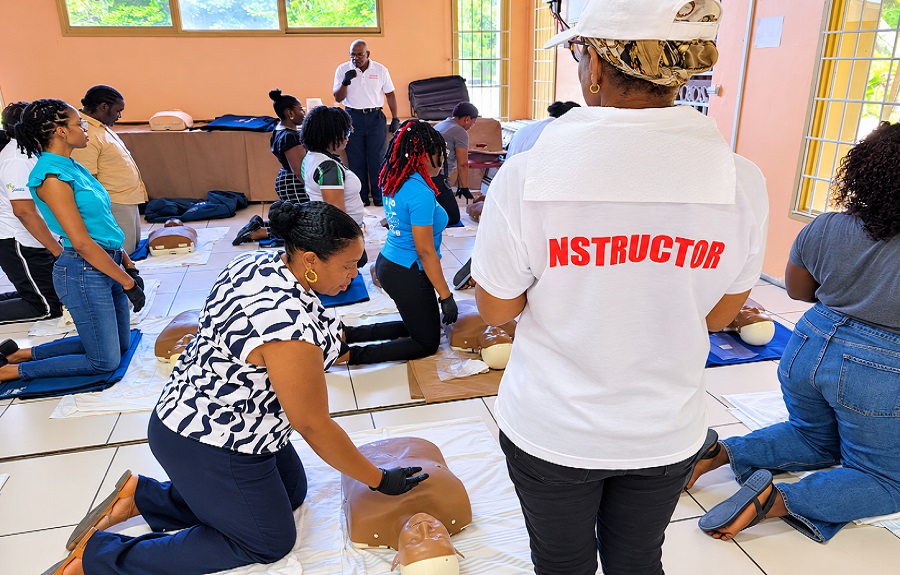
    The St. Vincent and the Grenadines Red Cross has initiated a major safety drive across mainland primary and secondary schools, launching a comprehensive series of First Aid and Cardiopulmonary Resuscitation (CPR) training workshops for local educators. Supported by The Regional Intervention Platform of the Americas-Caribbean (PIRAC), the initiative is being carried out under the banner of the Ready 360 project to significantly strengthen emergency response capabilities within educational institutions across the island.

    Rolled out from Kingstown, the specialized program targets seventy-eight teachers and school personnel from primary and secondary facilities. Participants are undergoing intensive, hands-on instruction designed to build practical competencies in first aid administration, CPR execution, and rapid crisis management. By equipping school staff with immediate life-saving techniques, the SVG Red Cross aims to foster safer, more resilient learning environments for students, faculty, and visiting members of the public alike.

    The initiative aligns with the broader mission of the SVG Red Cross to make essential first-aid education widely accessible throughout St. Vincent and the Grenadines. Organization leaders emphasize that embedding these critical skills within the teaching workforce ensures that emergency preparedness extends well beyond classroom walls, cascading into surrounding households and local communities.

    Highlighting the pivotal role of educators during health crises, Mrs. Dora James, President of the SVG Red Cross, emphasized that teachers serve as frontline anchors in times of need.

    She noted that educators are trusted leaders in their communities and are often among the first people able to respond when an emergency occurs, adding that the training provides them with the confidence and practical skills to act quickly, protect lives, and cultivate a lasting culture of preparedness across schools in St. Vincent and the Grenadines.

  • Hairdresser charged for pushing chef to ground

    Hairdresser charged for pushing chef to ground

    HAIRDRESSER CHARGED WITH ASSAULT

    On November 9, 2026, police arrested and charged Vonique Pompey, a 22-year-old Hairdresser of Diamond Estate with the offence of assault.

    Investigations revealed that on April 13, 2026 the accused allegedly assaulted an 18-year-old Chef of Diamond, by pushing her on the ground and dragging her, causing actual bodily harm.

    The offence was committed in Diamond Estate. Pompey appeared before the Calliaqua Magistrate Court where he pleaded guilty to the charge.

    He was fined $1,500.00ECC, payable within three months, if he defaults, he will spend three months at His Majesty’s Prison.

  • CED to Host forum to inspire next generation of Vincy entrepreneurs

    CED to Host forum to inspire next generation of Vincy entrepreneurs

    The Centre for Enterprise Development (CED), through its Youth Business and Entrepreneurship Training (YOUBET) programme, will host a half-day Youth Business Forum on Thursday, 19 November, under the theme “From Idea to Reality”, aimed at encouraging and equipping young people with the knowledge and skills needed to pursue entrepreneurship.

    The forum will take place at the Methodist Wesley Hall in Kingstown from 8:30 a.m. to 1:00 p.m. It will bring together thirty (30) students from five Technical and Vocational Education and Training (TVET) institutions across St. Vincent and the Grenadines, with each institution represented by six students.

    The initiative forms part of CED’s ongoing commitment to fostering a culture of youth entrepreneurship and nurturing the next generation of Vincentian business leaders. Through the forum, students will be introduced to key aspects of entrepreneurship, including business planning, market validation and the process of transforming their ideas, talents and competencies into viable and sustainable business ventures.

    Officer in Charge at CED, Ms. Keisha Phillips, underscored the organisation’s commitment to creating opportunities for young people to explore entrepreneurship and develop their business potential.

    “CED remains committed to fostering a culture of youth entrepreneurship in St. Vincent and the Grenadines by encouraging young people to recognise the business potential in their ideas, talents and skills. Over the years, we have maintained a strong collaborative relationship with TVET institutions, recognising that technical and vocational training provides an important foundation for entrepreneurship. Through this partnership, we continue to support students who are interested in taking their skills beyond the classroom and turning them into business opportunities. This forum is another step in strengthening that relationship and empowering our young people to see entrepreneurship as a viable pathway for their future,” Ms. Phillips stated.

    The forum will officially commence with an opening ceremony featuring remarks from Ms. Phillips and Mrs. Pearlette Primus-Hannaway, Senior Education Officer responsible for TVET in the Ministry of Education.

    By connecting technical and vocational competencies with entrepreneurial knowledge and practical business guidance, CED hopes to inspire students to explore self-employment, innovation and enterprise creation as pathways to economic participation and personal development.

    The selected students are encouraged to take full advantage of this opportunity to gain valuable insights into starting and developing a business.

  • Living Beyond the Diagnosis: A Focus on Diabetes

    Living Beyond the Diagnosis: A Focus on Diabetes

    Silent Killer or Call for Help

    The Center for Disease Control and Prevention (CDC)’s National Health and Nutrition Examination Survey warns about the increasing rates of pre-diabetes recorded among 12-17-year old adolescents in the United States from 2005-20231. This represents more than just a reading on a glycemic scale but projects a health crisis marked by an increased risk of Type 2 diabetes and other health complications among young people.

    While usually discussed in terms of blood sugar levels, medication and medical complications, the daily realities of living with diabetes particularly for children, adolescents, and young adults extend far beyond clinical management. It is also about ensuring that persons living with the condition are supported emotionally, socially, academically, and financially so they can participate fully in society and pursue their ambitions without being defined by their diagnosis.

    Are We Fighting a Losing Battle?

    The International Diabetes Federation projects the number of adults aged 20-79 years living with diabetes in St. Lucia to be 20.7 thousand in 20502. A staggering figure that seems unbelievable but warns of worsened population health if poor lifestyle choices and non-existent or laxed regional regulation of highly processed, unhealthy products continue.

    Like many Caribbean nations, diabetes is a major health concern and cause of premature death in St. Lucia – prevalent among 18.9% of adult women and 18.3% of adult men3. Notably, insufficient physical activity and poor eating habits worsen rates of overweight and obesity, complicating diabetes development and progression. Recent evidence also links a nutritional shift to the increased consumption of prepackaged, convenience foods and sugar-sweetened beverages and less fruits and vegetables4.

    Relatedly, during the 51st Heads of Government Meeting of the Caribbean Community (CARICOM) held in Saint Lucia on July 5-8, 2026, CARICOM’s Vision 25 by 2025+5 initiative was highlighted. Initially established to reduce the region’s high import bill and increase regional agricultural production and trade, its mention not only underscores the stalled progress towards achieving regional food and nutrition security but its glaring impact on non-communicable disease (NCD) development.

    Diabetes Awareness and Management

    The St. Lucia Diabetes and Hypertension Association (SLDHA) plays a crucial role in public awareness and community outreach. In collaboration with the Healthy Caribbean Coalition (HCC) and Healthy Caribbean Youth (HCY), they hosted a two-day Caribbean youth advocacy training on the 10-11 April 2026 supported by the Commonwealth Foundation. Informed by the recently launched Guidance document on Meaningful Engagement of Youth, this training created a safe space for youth advocates: Zhané, Shelley and Grace to provide insight into their experiences in St. Lucia. 

    “I feel like they (healthcare workers) are just here for the job” – an eye-opening revelation made by Grace, a young person living with Type 1 diabetes, in receiving treatment at local public health facilities. While her experience is not reflective of the national standard of care or support offered, it reiterates the need for education, training and/or resensitization of our teachers, healthcare professionals, caretakers and the public in acting with more empathy towards those living with chronic diseases, particularly our youth. The far-reaching nature of diabetes warrants governments to “create spaces for more engagement” and promote “ways for people to receive treatment and access to care or support more easily”.

    Walking in Their Shoes

    For many people in the Caribbean, diabetes requires constant self-management, but some choices are not always easy to make. “Living with an NCD teaches you that health is not only about treatment…it is also about access, education, support, affordability, stigma, mental health and dignity” – Sonté, Youth advocate and young person living with Type 1 diabetes.

    It is important to also cater to the responsibilities of self-management and the emotional and psychological impact that comes with it. A crucial effect often overlooked in the Caribbean. Feelings of isolation, stigma, or misunderstanding can affect self-esteem and mental well-being, highlighting the need for stronger emotional support systems in schools, families, and communities.

    Beyond the personal challenges, diabetes carries a considerable financial burden. The ongoing costs of insulin, glucose monitoring supplies, medications, medical appointments, and healthy food choices can strain household finances, especially among families with limited incomes or access to consistent healthcare.

    Way Forward

    It’s clear that tackling diabetes requires a holistic approach from our governments, persons living with diabetes, civil society organisations and communities. “Lived experience is expertise…it is data that explains how it feels, why barriers exist, and what solutions may actually work in real life” (Sonte, Youth advocate and young person living with Type 1 diabetes). Furthermore, “listening to the problems of the person with the NCDs” helps to amplify their voices.

    In recognition of World Diabetes Day, observed on Saturday 14th November, 2026, we are called to prioritize “early action on diabetes”. This action requires meaningful engagement of those living with diabetes and our young people. A call that sets the premise for the conceptualization and development of the above-mentioned youth-focused guidance document.

    It is our hope that through the renewed focus on regional food and nutrition security among our government leaders and the holistic understanding of diabetes from a clinical, psychological and financial perspective, that people living with this condition or at risk feel supported, meaningfully engaged and empowered to live fully and beyond their diagnosis.

    Ms. Simone Bishop-Matthews is a Trinidadian Public Health Advocate based in Saint Lucia and a member of the Healthy Caribbean Youth.

  • 4 in 10 Vincy’s in poverty: Jomo slams class snobbery in SVG

    4 in 10 Vincy’s in poverty: Jomo slams class snobbery in SVG

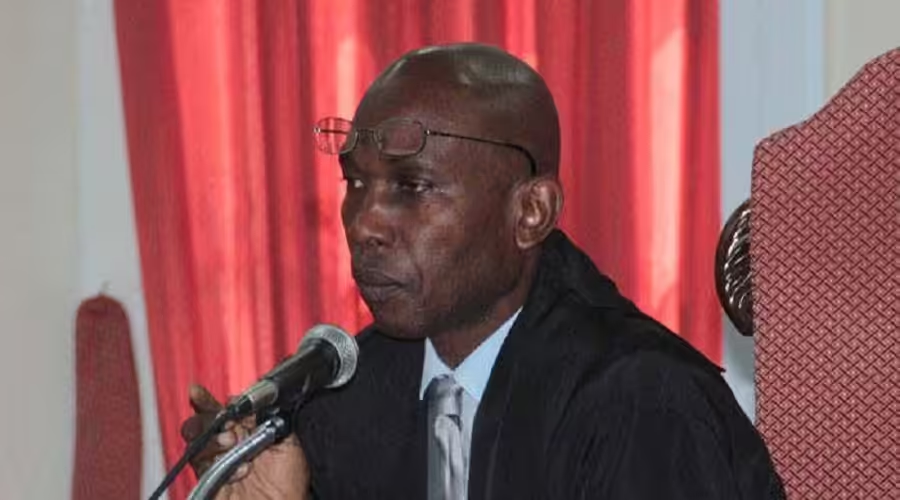
     Prominent attorney and former Speaker of the House of Assembly Jomo Thomas has launched a stinging critique against persistent class snobbery and systemic municipal neglect in St. Vincent and the Grenadines, calling for a fundamental shift in national consciousness and concrete public infrastructure upgrades. Speaking on his radio broadcast during the “Play Talk” segment, Thomas addressed two pressing national issues: the elitist rhetoric surrounding family “pedigree” and “good stock,” and the public scapegoating of market vendors over Kingstown’s morning rubbish conditions following viral video footage of litter-strewn capital streets.

    Thomas expressed deep concern over the recurring societal notion that certain families possess superior pedigree or come from better stock, framing the sentiment as a damaging class snub designed to accord special privileges to a select few. Rooting his argument in Vincentian history, Thomas pointed out that following the achievement of universal adult suffrage in 1951, the vast majority of the population was exceedingly poor and lacked access to formal education.

    With current statistics showing that four out of ten Vincentians continue to live in poverty, Thomas argued that personal professional success, accumulated wealth, or higher education should never be used to assert social superiority or demand disproportionate access to state resources. Reaffirming the egalitarian maxim popularized by the former prime minister that “we are not better than nobody, but nobody better than us,” he warned that class elitism undermines social cohesion and creates entrenched disparities across public institutions.

    To illustrate how class privilege manifests in the country’s institutional framework, Thomas highlighted sharp disparities within the legal system, citing a past incident where a practicing attorney shot and killed a woman right outside the police barracks. In that instance, a battery of ten lawyers immediately mobilized to defend their colleague, ultimately securing a mental quirk defense that resulted in a sentence of roughly five years.

    Thomas contrasted that swift fraternity response with the plight of ordinary citizens acting in self-defense, who frequently struggle to secure pro-bono legal representation. He argued that true societal fairness requires dismantling the unearned entitlements of status and ensuring that justice and resources are accorded equally to all citizens.

    Turning to municipal governance, Thomas responded to widespread public outrage generated by a viral pre-dawn video depicting heavy trash accumulation around the Kingstown market area, stretching from Pepperon down to the Ace hardware commercial zone. While acknowledging the appalling visual state of the streets, Thomas strongly rejected attempts to lay the blame on market vendors, characterizing the backlash as an unfair habit of dumping on ordinary citizens trying to earn a living.

    He emphasized that vendors operate in one of the highest-density commercial zones without basic municipal support, noting that the Kingstown Town Board has failed to provide adequate dumpsters, accessible garbage containers, or disposable trash bags across the market district. The lack of proper receptacles leaves vendors with little choice but to leave waste at street level, which is subsequently scattered across roadways by homeless individuals searching for food.

    Thomas also highlighted severe infrastructure deficiencies in the capital, specifically calling out the near-total absence of public restrooms in Kingstown. Beyond the facility operated by the Soroptimist group at Heritage Square, residents and visitors are forced to scramble for places to relieve themselves, as commercial stores and restaurants regularly deny public access.

    He criticized the double standards of public commentators who condemn vendors while remaining silent on commercial store owners along Back Street who regularly pay individuals to deposit large business refuse onto street corners. Furthermore, Thomas questioned why the Central Water and Sewerage Authority and municipal sanitation crews permit market waste to linger on streets overnight until morning hours, pointing out that during major cultural events such as Nine Mornings and Carnival, sanitation teams execute immediate overnight cleanups to ensure pristine streets by dawn.

    To resolve Kingstown’s sanitation challenges, Thomas recommended a combination of infrastructure expansion, operational adjustments, and stricter civic enforcement. He urged municipal authorities to install visible, closely spaced garbage containers and temporary trash bags throughout high-traffic vending zones, alongside scheduling mandatory evening collection sweeps between 6 p.m. and 8 p.m. To foster long-term public discipline, Thomas suggested adopting rigorous anti-littering enforcement and fines similar to measures implemented in Singapore, insisting that clean public spaces require both responsive governance and an elevated civic consciousness across all sectors of Vincentian society.

  • Former speaker decries widespread civic ignorance

    Former speaker decries widespread civic ignorance

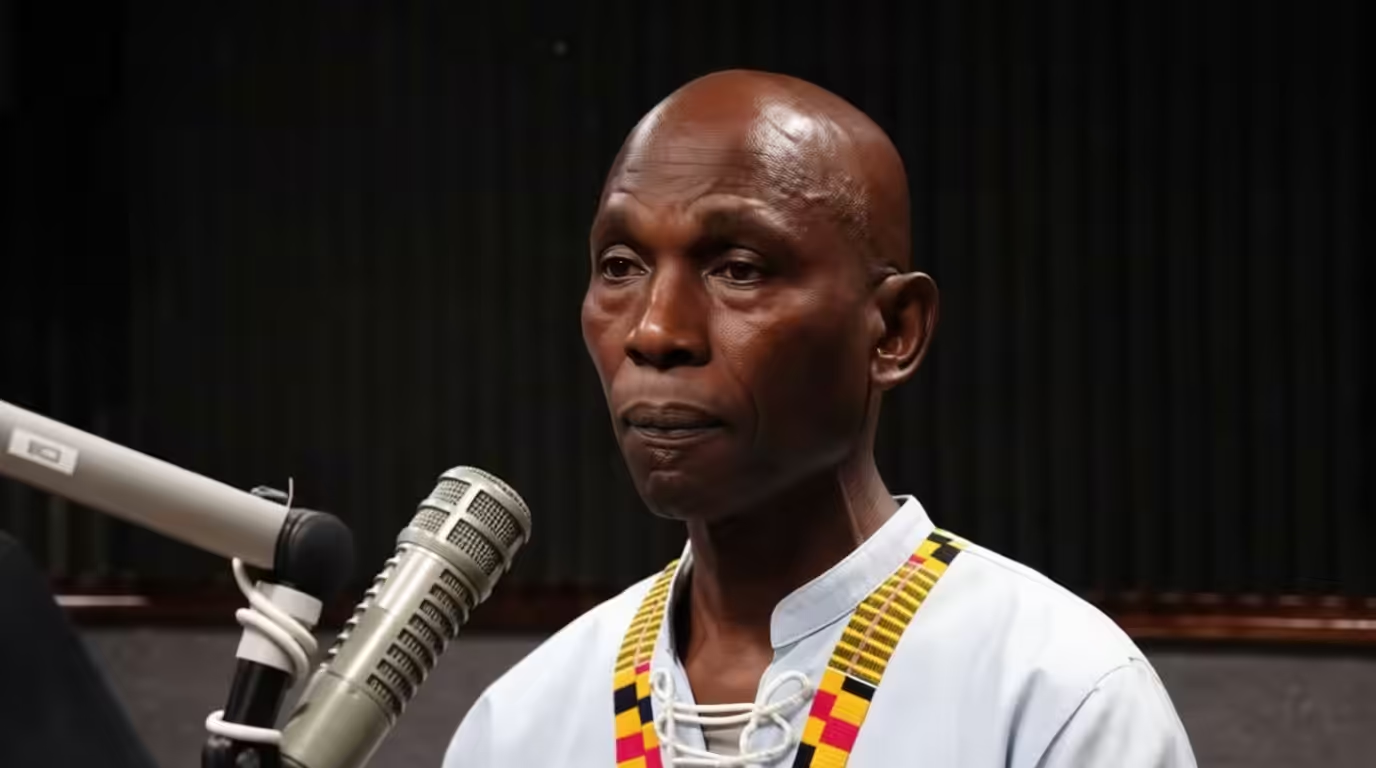
     Former Speaker of the House of Assembly Jomo Thomas has issued a stark warning regarding pervasive civic unawareness and what he terms “willful ignorance” across St. Vincent and the Grenadines, cautioning that a widespread lack of basic constitutional knowledge and declining reading habits threaten public discourse and national governance.

    Speaking during his regular “Plain Talk” commentary segment on OMG radio, Thomas drew a sharp distinction between classical ignorance—characterized by a simple lack of information or education—and willful ignorance, in which individuals possess access to facts but deliberately choose to ignore them. Thomas argued that much of the societal disagreement in St. Vincent stems not from genuine intellectual debate over facts, but from partisan political loyalties and personal animosity, where individuals refuse to acknowledge truth simply because of political bias.

    Highlighting what he identified as a critical deficit in civic consciousness, Thomas pointed out that many Vincentians remain unfamiliar with foundational milestones in their nation’s democratic development. He noted that few citizens are aware that universal adult suffrage was achieved in 1951, granting voting rights to Vincentians aged 21 and older. Furthermore, he observed widespread public confusion regarding the head of state, noting that many citizens mistakenly identify the Prime Minister as head of state rather than King Charles, who is represented locally by the Governor General.

    Addressing constitutional roles within government, Thomas referenced his own tenure as Speaker of the House of Assembly, recounting instances where members of the public criticized him on social media and radio for directing the Prime Minister to sit down or cease speaking. Thomas clarified that under parliamentary standing orders, the Speaker serves as the presiding officer and leader of the National Assembly, possessing sole authority to maintain order. He emphasized that public misunderstanding of parliamentary rules led many to misinterpret routine legislative enforcement as disrespect toward the head of government.

    Thomas also noted that many citizens, including high school students, are unaware that the Judicial Committee of the Privy Council in London remains the highest court of appeal for St. Vincent and the Grenadines. He explained that due to high legal costs and geographical distance, access to the court has been severely constrained, with only a couple of major Vincentian cases reaching the Privy Council in over two decades—specifically a bias challenge brought by former Prime Minister Sir James Mitchell regarding a commission of inquiry, and recent litigation by public sector workers affected by government vaccine mandates.

    Elaborating on the constitutional separation of powers, Thomas cautioned that a lack of civic understanding leaves vital democratic institutions vulnerable to erosion. He cited a past incident where former Antigua and Barbuda Prime Minister Gaston Browne publicly threatened to expel a judge over sentencing decisions, noting that public applause for such executive overreach demonstrated a concerning failure to grasp the tripartite structure of government, which separates the executive, legislative, and judicial branches to protect judicial independence.

    To counter pervasive ignorance, Thomas advocated for a renewed national emphasis on literacy and reading, referencing Vincentian-born labor pioneer Elma Francois, who achieved recognition as a national hero in Trinidad and Tobago but remains largely uncelebrated in St. Vincent.

    Recalling an encounter with a university graduate who openly boasted about not reading a single book in the seven years following graduation, Thomas warned that modern reliance on smartphones, social media platforms like TikTok, and artificial intelligence tools is progressively diminishing critical thinking, memory retention, and imaginative capacity. While acknowledging the utility of digital technology for quick reference, he concluded that sustained reading of physical books remains an essential foundation for child development, cognitive health, and an informed citizenry.

  • National scholarships down to 8th from 19 in 2025

    National scholarships down to 8th from 19 in 2025

    EIGHTY-TWO (82) SCHOLARSHIPS SET TO BE ANNOUNCED & AWARDED

    The Government of St. Vincent and the Grenadines, through its Ministry of Higher Education, Grenadines Affairs, Airports & Seaports, is set to announce the award of eighty-two (82) academic scholarships, based on the 2026 exit performances in the Caribbean Advanced Proficiency Examinations (CAPE) and Associate Degree programmes.

    On Thursday 12 November, 2026, the government will host the 2026 National Scholarship Programme – Awards Ceremony and Cocktail Reception during which a total of eighty-two (82) scholarships will be announced. These include eight (8) National Scholarships, eighteen (18) Exhibition Scholarships, one (1) Special Award and fifty-five (55) Bursaries.         

    Prime Minister Dr. The Hon. Godwin Friday, will make the Special Remarks and also present the Prime Minister’s Gold Meda. The event will also be addressed by Minister of Higher Education, Grenadines Affairs, Airports and Seaports, Hon. Terrance Ollivierre.

    The Prime Minister’s Gold Medal is awarded to the scholar with the best overall performance, who, in addition to a National Scholarship, will also receive $20,000 and a gold medal. The second-place students will each receive $10,000, in addition to their National Awards.

    National Scholars receive funding equivalent to five (5) years of study at the University of the West Indies (UWI), while Exhibition Scholars receive funding equivalent to three (3) years of study. Bursary recipients will receive funding in the amount of EC$30,000 XCD per study year for a maximum of three (3) years.

    This year’s awards ceremony and cocktail will be livestreamed by the Agency for Public Information on YouTube and Facebook via its handle @APISVG and channel 116 on local cable television.