• ‘Promised relief measures vanish as prices eviscerate household Budgets’

    ‘Promised relief measures vanish as prices eviscerate household Budgets’

    Former Foreign Minister Keisal Melissa Peters, speaking on the debut edition of The People’s Forum on Star Radio, delivered a sweeping, data-backed critique of Prime Minister Dr. Godwin Friday’s administration, highlighting a severe divergence between executive policy announcements and the financial pressures facing Vincentian consumers.

    Addressing Prime Minister Friday’s May 27 national address—wherein the executive outlined cost-of-living mitigation strategies following a task force established on March 25, 2026—Peters dissected the administration’s commitments regarding St. Vincent Electricity Services Limited (VINLEC).

    The administration had announced a total removal of the Customs Service Charge (CSC) and excise taxes on diesel imported for power generation—representing $1.65 million in foregone state revenue over three months—alongside a tiered VINLEC subsidy. Under that public pledge, any fuel surcharge exceeding 71¢ per kilowatt-hour (kWh) up to 77¢/kWh was to receive a 50% matching discount from VINLEC, while any surcharge exceeding 77¢/kWh was to be 100% matched by the utility company to prevent runaway consumer bills.

    However, operational billing realities tell a starkly different story. By October 2026, VINLEC’s published fuel surcharge reached 86.7¢/kWh. Based on the government’s advertised formula, consumer rates should have been capped at a maximum effective rate of approximately 74¢/kWh. Instead, domestic households received unadjusted bills reaching $600 to nearly $1,000 per month. With the government acting as the sole shareholder of VINLEC, Peters noted that executive oversight has surrendered control to the utility’s internal management, forcing families to choose between basic grocery purchases and utility disconnections.

    The administration’s cost-of-living strategy similarly pledged targeted relief for the agricultural sector, including subsidized seeds and a 30% discount on commercial fertilizers to reduce dependence on imported food. On-ground assessments reveal that local farming communities have failed to receive these price reductions, with workers reporting that retail outlets refuse to apply the promised subsidies.

    This administrative failure contrasts sharply with the diplomatic strategy executed under the prior Unity Labour Party (ULP) administration. Historically, the state secured free, bulk fertilizer shipments by negotiating bilateral agreements directly with strategic partners such as Morocco and Venezuela, absorbing input costs at the sovereign level. By abandoning proactive statecraft in favor of unmonitored commercial market discounts, current agricultural support mechanisms have stagnated. This institutional shift from direct sovereign diplomacy to reliance on retail market mechanisms fundamentally degrades state capacity during an import crisis, directly compromising local crop yields and national food security.

    Compounding these domestic strains, the Modern Port Operations Company (EMPAC)—formerly the Port Authority—implemented a heavy fee restructuring on October 1, 2026, which effectively undercut the executive’s declared freight tax decoupling policy. On May 27, the Prime Minister had pledged to ease imported inflation by removing shipping fuel and congestion surcharges from tax calculations and benchmarking import tax freight rates to January 2026 levels.

    However, EMPAC’s October tariff structure introduced a mandatory $150 per hour fee for container stuffing and de-stuffing (Full Container Load / FCL), subject to a minimum two-hour charge of $300, and $200 per hour for every subsequent hour. Under this tariff:

    A 3-hour container operation costs importers $500.

    A 4-hour container operation escalates to $700.

    Concurrent hikes in port parking rates further compound operational costs:

    Regular Parking: Increased to $2.50/hr, $12.50/day, and $237.50/month.

    Covered Parking: Set at $3.00/hr, $15.00/day, and $285.00/month.

    Heavy Vehicles & Trucks: Set at $3.00/hr, $15.00/day, and $285.00/month, with overnight rates at $20.00/night.

    These operational surcharges inevitably cascade down to retail shelf prices. Furthermore, members of the Vincentian diaspora face escalated costs when shipping essential supply barrels home—where freight charges already range from $100 to $140 USD per barrel—negating state import relief and penalizing vulnerable domestic households.

  • JetBlue increases baggage fees on Caribbean routes

    JetBlue increases baggage fees on Caribbean routes

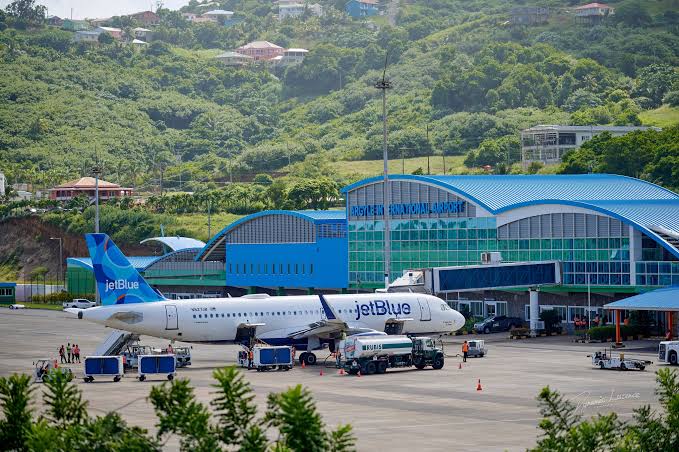
    Caribbean travel is getting more expensive as JetBlue implemented its second baggage fee hike of the year, raising the cost of checking a first bag to $50 each way for most economy passengers.

    The updated pricing structure, which took effect on November 3, applies to travelers booking trips to and from the Caribbean, as well as routes across the United States, Canada, and Latin America.

    The new $50 rate reflects an $11 jump compared to the start of the month and stands $15 higher than the price at the start of the year, translating to a 42% surge within a single year.

    Passengers traveling during peak periods—including Thanksgiving and the winter holidays—face even steeper charges:

    First checked bag: Costs $55 if paid more than 24 hours prior to departure, jumping to $60 within the final 24-hour window before takeoff.

    Second checked bag: Costs $70 during off-peak periods, rising to $75 more than 24 hours in advance during peak periods, and reaching $85 within 24 hours of flight time.

    In an emailed statement to the Associated Press, JetBlue stated that the fee adjustments are intended to help offset rising fuel and operating expenses, noting that the policy keeps base fares competitive while allowing customers to pay only for bags they need.

    JetBlue is not alone in adjusting baggage rates amid fuel cost pressures tied to conflict in Iran. Following JetBlue’s initial fee increase in March, major competitors including Delta, United, American, and Southwest all introduced price increases of their own.

  • SVG Absent from Ministerial Delegations for COP 31 

    SVG Absent from Ministerial Delegations for COP 31 

     St. Vincent and the Grenadines faces mounting criticism over its growing diplomatic footprint deficit, highlighted by the nation’s complete omission from CARICOM’s official ministerial negotiation team for the upcoming UN Climate Change Conference (COP 31) in Turkey, scheduled for November 9–20, 2026.

    Ahead of the 31st Conference of the Parties (COP 31) under the United Nations Framework Convention on Climate Change, CARICOM released its official roster of designated ministerial leads tasked with steering negotiations on behalf of the regional bloc. Despite maintaining a dedicated portfolio for Climate Resilience under Minister Conroy Huggins, St. Vincent and the Grenadines was omitted entirely from the ministerial negotiating team.

    The strategic absence stands in sharp contrast to neighboring CARICOM states whose ministers were assigned multiple leadership priorities to champion small-island survival imperatives. SVG’s complete omission from regional climate leadership represents a significant setback from prior diplomatic engagements, such as COP 29, where former Sustainable Development Minister Carlos James served as a designated ministerial champion for CARICOM.

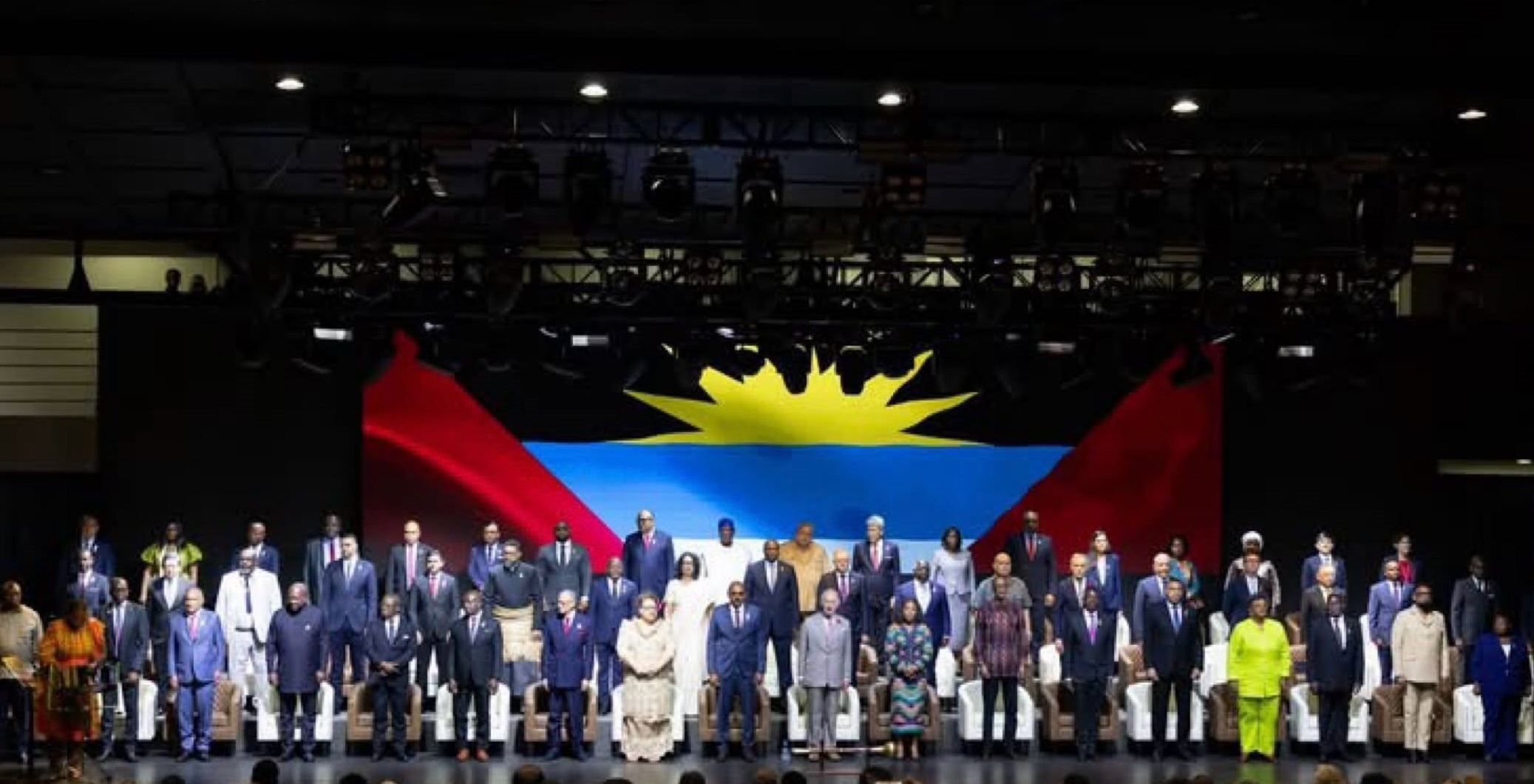
    Concurrently, political friction erupted surrounding the Commonwealth Heads of Government Meeting (CHOGM 2026), held in Antigua from November 1–4, 2026. The summit, attended by King Charles III, served as a primary forum for advancing African and Indigenous reparatory justice—a regional campaign initiated in 2011 during a CARICOM subcommittee meeting chaired under the tenure of former Prime Minister Dr. Ralph Gonsalves.

    Gonsalves attended CHOGM 2026 in his official capacity as a senior elder and advisor to the international Repair Campaign. However, ruling-party New Democratic Party (NDP) partisans and activists, led by Margaret London, drafted and dispatched a formal protest letter demanding Gonsalves’ exclusion from the summit. The maneuver by ruling-party partisans sought to block the former Prime Minister (now Opposition Leader) from representing regional initiatives abroad.

    The protest letter drew widespread mockery for severe draftsmanship errors, most notably conflating the legal framework of reparations with population repatriation. Peters dismissed the ruling party’s agitation, noting that while Opposition Leader Gonsalves continues to be sought after internationally as a champion for regional justice, elected NDP government ministers remain passive and unassigned on key international negotiation tables.

    The consequences of diplomatic passivity were further exposed during the October 28, 2026 United Nations General Assembly vote on ending the United States embargo against Cuba. While the Vincentian government maintained its historical stance by voting to end the embargo, the broader CARICOM bloc suffered unprecedented diplomatic fragmentation:

    Opposed Ending Embargo: Trinidad and Tobago voted to preserve the embargo.

    Absent from Vote: Antigua and Barbuda, Dominica, and St. Lucia were absent from the chamber.

    Abstained: Jamaica, Guyana, and Haiti abstained from voting.

    This voting breakdown highlights a fracturing of regional solidarity within CARICOM, demonstrating the risks of failing to maintain proactive, principled diplomatic outreach among Caribbean neighbors.

    CARICOM Ministerial Negotiation Leads for COP 31 (Turkey, Nov 9–20, 2026)

    Dominica: Honorable Cozier Frederick (Minister of Environment) — Lead Negotiator: Adaptation

    Jamaica: Honorable Matthew Samuda (Minister of Water & Environment) — Co-Lead: Cover Decision

    Barbados: Honorable Marsha Caddle (Minister of Economic Affairs & Investment) — Triple Lead: Cover Decision, Climate Financing, Loss & Damage

    Suriname: Honorable Patrick Birninx (Minister of Oil, Gas & Environment) — Co-Lead: Climate Markets

    Belize: Honorable Orlando Habet (Minister of Sustainable Development) — Co-Lead: Climate Markets & Climate Financing

    Antigua & Barbuda: Honorable Michael Joseph — Co-Lead: Climate Science & Climate Financing

    St. Kitts & Nevis: Honorable Senator Dr. Joyelle Clark (Minister of Sustainable Development) — Lead Negotiator: Global Stocktake & Just Transitions

    St. Lucia: Honorable Lisa Jawahir — Co-Lead: Loss & Damage

    St. Vincent & the Grenadines: [NO MINISTERIAL ASSIGNMENT / ABSENT FROM LIST]

    This lack of sovereign diplomatic positioning on global stages directly mirrors an accelerating breakdown in domestic administrative execution and municipal management at home.

  • Jomo Calls for Revival of Cross-Country Road Project

    Jomo Calls for Revival of Cross-Country Road Project

    Attorney, activist, and radio host Jomo Thomas has called for renewed consideration of a road connecting the northern ends of the island, arguing that a cross-country route remains both viable and vital if built to serve Vincentians first.

    Speaking on his radio program Plain Talk on OMG, Thomas revisited the stalled debate surrounding national infrastructure and the abandoned cross-country road initiative. He recalled that in 2005 and 2006, the Unity Labour Party (ULP) administration proposed a cross-country road project and spent substantial sums of money, only to ultimately abandon the venture and tell the public that the road could not be built.

    Thomas dismissed the assertion that the road is impossible to construct, emphasizing that modern engineering and international partnerships make such feats achievable.

    While acknowledging that constructing the route would be expensive due to the need to traverse gorges and rugged terrain, Thomas pointed to the engineering achievements of other nations. He specifically referenced Taiwan, noting that during visits there, one observes massive bridges spanning complex geography.

    Thomas questioned why St. Vincent and the Grenadines has maintained long-standing diplomatic relations with an industrialized nation like Taiwan without translating that partnership into the technical expertise and science needed for major domestic infrastructure.

    He added that similar bridge-building and roadway feats are visible in China, the United States, and Europe, arguing that with willingness from international developmental partners and proper funding, the project could become a reality.

    Addressing historical objections—such as concerns that the road would cut into critical watersheds—Thomas maintained that the overarching goal must be opening up the island for citizens rather than external visitors.

    He explained that under the current road network, drivers heading up the eastern corridor are forced to turn back around and travel down the exact same route. A completed connecting road across the north would enable residents to loop around the island—driving up the east coast and returning down the west coast on a Sunday afternoon.

    This push, Thomas stressed, aligns with his wider criticism of the country’s tendency toward “development by audience”—the habit of beautifying and building infrastructure primarily for foreign tourists rather than ensuring everyday convenience, safety, and pride for the people who live in St. Vincent year-round.

    The broadcast discussion also touched upon alternative engineering approaches. A caller highlighted a previously published proposal in Searchlight by physical planner Carl Glasgow, who designed an alternative cross-country route intended to bypass the sensitive interior hinterland, connect major demographic centers, and route across Vermont.

    Thomas concurred with the caller’s broader sentiment, reiterating that national planning must focus on building functional infrastructure and fostering local appreciation for the country.

  • Calls for Midterm Elections in SVG Spark Debate

    Calls for Midterm Elections in SVG Spark Debate

    A public suggestion to introduce midterm elections in St. Vincent and the Grenadines has ignited discussions on political accountability, constitutional reform, and voter recourse.

    The idea gained traction following comments made on the premiere edition of The People’s Forum on Star Radio, hosted by former minister and opposition figure Keisal Melissa Peters. The discussion centered on an online proposal floated by former Consul General Fitz Huggins, who suggested that the country should explore implementing a midterm election system similar to that of the United States.

    Addressing the controversy surrounding his statement during a call-in segment on the program, Huggins clarified the context behind his suggestion. While acknowledging that the remark was made partially “tongue-in-cheek,” Huggins emphasized that the underlying critique of governance was serious.

    Huggins argued that if the Constitution of St. Vincent and the Grenadines contained a recall clause, the governing New Democratic Party (NDP) administration would have faced recall after just one year in office. He maintained that the suggestion reflected widespread public frustration and a lack of confidence in the current administration’s capacity to govern, suggesting that a midterm mechanism would allow the electorate to hold elected officials accountable before a full parliamentary cycle concludes.

    The debate in St. Vincent emerged against the backdrop of the recently concluded United States midterm elections, which Peters examined earlier in the broadcast. Describing the U.S. outcome as a political upheaval driven by public dissatisfaction with the cost of living, corruption, and domestic policies, Peters highlighted how midterm elections provide voters with a structured platform to assess an administration’s priorities midway through its term.

    Peters drew a direct parallel between the American midterm results and the domestic situation facing St. Vincent and the Grenadines. She issued a warning to Prime Minister Dr. Godwin Friday, asserting that unresolved cost-of-living pressures—particularly escalating electricity rates, port handling fees, and failed utility subsidies—were eroding public trust.

    Noting the ideological and organizational ties between the ruling NDP and the U.S. Republican Party within the International Democrat Union, Peters argued that the electoral defeat suffered by Republicans in the U.S. midterms serves as a clear warning of what happens when a government fails to shield citizens from economic hardship.

    Alongside the midterm proposal, callers and the host also voiced support for institutionalizing formal pre-election candidate debates, arguing that both mechanisms would ensure politicians are thoroughly vetted, prepared for public service, and held to account by the electorate.

  • CHOGM ends with accords on climate finance, reparatory talks

    CHOGM ends with accords on climate finance, reparatory talks

    Leaders representing 2.7 billion citizens across 56 member nations concluded the 28th Commonwealth Heads of Government Meeting (CHOGM) today, issuing a comprehensive joint communiqué aimed at accelerating investment, overhauling climate finance mechanisms, and addressing historic injustices.

    Convening from November 1 to 4 under the theme “Accelerating Partnerships and Investment for a Prosperous Commonwealth,” the summit took place against a backdrop of global disruptions to the rules-based international order, ongoing conflicts, economic headwinds, and accelerating environmental crises.

    In a historic development building on discussions initiated at the 2024 Samoa summit, Commonwealth leaders formally welcomed an agreement by the Government of the United Kingdom to engage in a structured, time-bound, inclusive, and good-faith dialogue with affected parties.

    The talks will address the transatlantic trafficking of enslaved Africans and its enduring historical harms. Leaders highlighted recent international milestones, including United Nations General Assembly Resolution A/RES/80/250 declaring chattel enslavement of Africans as a grave crime against humanity, alongside reparatory justice initiatives spearheaded by the Caribbean Community (CARICOM) and the African Union (AU).

    With Small Island Developing States (SIDS) and vulnerable economies disproportionately exposed to external shocks, leaders placed climate adaptation and global financial architecture reform at the core of their declarations.

    Key commitments outlined in the communiqué include:

    Sovereignty and Sea-Level Rise: Endorsing the Commonwealth Law Ministers’ framework, leaders affirmed that maritime zones established under the UN Convention on the Law of the Sea (UNCLOS) and notified to the UN Secretary-General shall remain permanent and legally binding without reduction, notwithstanding physical changes caused by climate-driven sea-level rise.

    Debt-Pause Clauses and Innovative Finance: The communiqué called for structural reforms in multilateral debt sustainability frameworks, urging the routine integration of state-contingent debt-pause clauses and disaster risk financing instruments to safeguard liquidity during climate shocks and pandemics.

    Support for Key Initiatives: Leaders pledged coordinated backing for the Antigua and Barbuda Agenda for SIDS (ABAS 2024–2034), the Bridgetown Initiative, the operationalisation of the Fund for Responding to Loss and Damage, and the proposed Net-Zero and Aspiration Funds under the Commonwealth Secretariat’s 2025–2030 Strategic Plan.

    Leaders reaffirmed their backing for a non-discriminatory, rules-based multilateral trading system anchored by the World Trade Organization (WTO) while rejecting unjustified trade restrictions.

    To bolster intra-Commonwealth commerce, the summit welcomed the launch of the Commonwealth Trade Portal to assist micro, small, and medium-sized enterprises (MSMEs)—particularly youth-led and women-owned businesses. Leaders also called on member states to engage with the newly established Commonwealth Critical Minerals Alliance (CCMA) to foster domestic processing, value retention at source, and transparent supply chains for clean-energy transitions.

    Addressing specific regional geopolitical flashpoints, the communiqué reiterated staunch Commonwealth support for the territorial integrity of member states:

    Guyana: Commonwealth heads expressed deep concern over Venezuela’s stated intent to reject an upcoming binding judgment by the International Court of Justice (ICJ) regarding the 1899 Arbitral Award boundary. The communiqué condemned live-fire incidents directed at Guyanese security personnel by armed actors from the Venezuelan border and demanded an end to unilateral provocations.

    Belize: Leaders reaffirmed steadfast backing for Belize’s sovereignty amidst the ongoing ICJ adjudication of Guatemala’s territorial and maritime claims, condemning unauthorized border encroachments and calling for peaceful resolution.

    Cyprus: The summit extended continued solidarity to the Republic of Cyprus, backing UN-led negotiations for a bicommunal, bizonal federation and demanding full respect for its Exclusive Economic Zone and UN Security Council resolutions regarding Varosha.

    Bangladesh: Commending Bangladesh’s humanitarian commitment in sheltering over 1.2 million displaced Rohingya, leaders called for urgent international support and the creation of secure conditions in Myanmar for voluntary repatriation.

    Concluding the four-day assembly, heads of government resolved to leverage the Commonwealth’s collective economic and diplomatic weight to ensure democratic resilience, sustainable development, and equity across its diverse membership.

  • SVG PM advances African ties with Rwanda, Kenya

    SVG PM advances African ties with Rwanda, Kenya

    St Vincent Prime Minister Hon. Dr. Godwin Friday has engaged in high-level bilateral diplomacy on the margins of the Commonwealth Heads of Government Meeting (CHOGM 2026), holding separate formal talks with the leadership of Kenya and Rwanda.

    The diplomatic engagements in St. John’s are central to the Prime Minister’s wider international agenda, which focuses on establishing strategic global partnerships to support Saint Vincent and the Grenadines’ domestic development priorities.

    Prime Minister Friday held a bilateral session with His Excellency Prof. Kithure Kindiki, Deputy President of the Republic of Kenya. The meeting facilitated direct dialogue between the two Commonwealth member nations.

    According to official releases, the dialogue forms an integral part of Saint Vincent and the Grenadines’ push to secure partnerships that foster expanded trade, attract inward investment, and generate tangible economic opportunities for local workers and commercial enterprises.

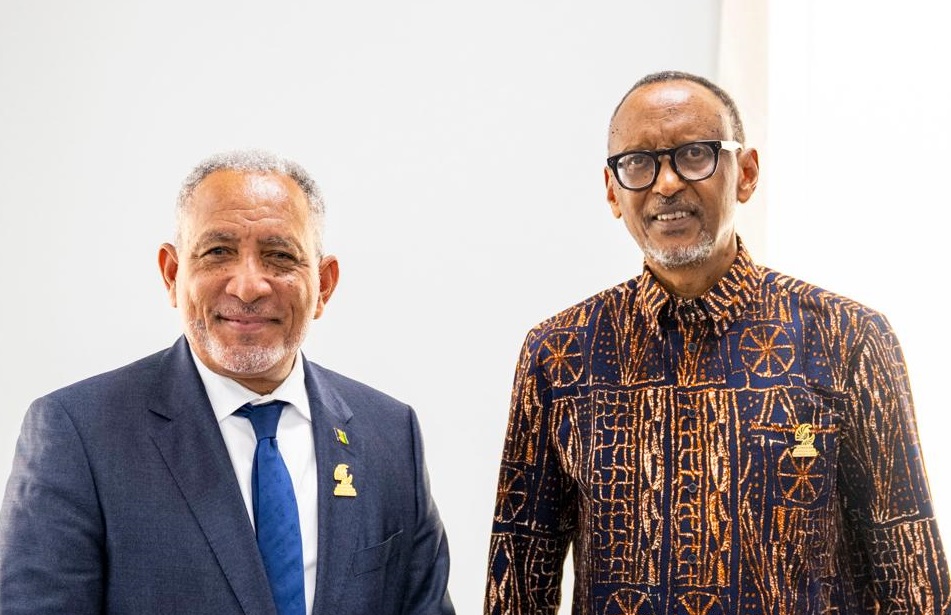
    Leading the Saint Vincent and the Grenadines delegation, Dr. Friday also met with His Excellency Paul Kagame, President of the Republic of Rwanda.

    The engagement provided a platform to deepen bilateral cooperation that has been evolving since diplomatic relations were formalized in 2021. Beyond bilateral affairs, the discussion underscored the strategic importance of reinforcing bridges between the Caribbean and the African continent, opening pathways for shared experiences, exchange of ideas, and future joint initiatives.

    Both meetings reflect an active foreign policy geared toward tangible domestic dividends. Officials noted that the bilateral program remains centered on opening new avenues for Vincentian businesses, driving trade expansion, and securing international relationships capable of delivering enduring, long-term benefits for the nation and its citizens

  • Rabacca man charged with stroking his penis at Langley Park

    Rabacca man charged with stroking his penis at Langley Park

    LABOURER CHARGED WITH INDECENT EXPOSURE

    On November 3, 2026, police arrested and charged Raju Richards, a 43-year-old labourer of Rabacca, with the offence of indecent exposure.

    Investigations revealed that on November 2, 2026, the accused allegedly indecently exposed his person to a 35-year-old security guard of Langley Park, by taking out his penis and stroking it.

    The offence was committed in Georgetown. Richards appeared before the Calliaqua Magistrate Court on November 3, 2026, where he pleaded not guilty to the charge.

    He was remanded into custody and the matter were transferred to the Georgetown Magistrate Court and adjourned to November 9, 2026.

  • Join SVG AIR Maintenance Team: Apply Today

    Join SVG AIR Maintenance Team: Apply Today

    SVG AIR Maintenance Ltd. is seeking qualified and suitable candidates to fill the position of Aircraft Engineers.

    Qualifications & Licences

    Applicants must hold one or more of the following:

    • ECCAA SVD Engineers License with Aeroplanes 1 & 2, Piston and Turbine Engines
    • Canadian M1 & M2 License
    • ICAO Engineers License

    Type Ratings

    • BN-2 and DHC-6-300 Twin Otter Ratings

    Experience

    • Any qualification and experience with other types will be an asset.

    How to Apply

    Suitable candidates are invited to submit their applications to:

    • Attention: Human Resource Manager
    • Address: P.O. Box 39 SVG AIR Maintenance Ltd. Argyle International Airport St. Vincent & the Grenadines
    • Email: [email protected]
  • SVGCC gets new greenhouse, nft system from FAO

    SVGCC gets new greenhouse, nft system from FAO

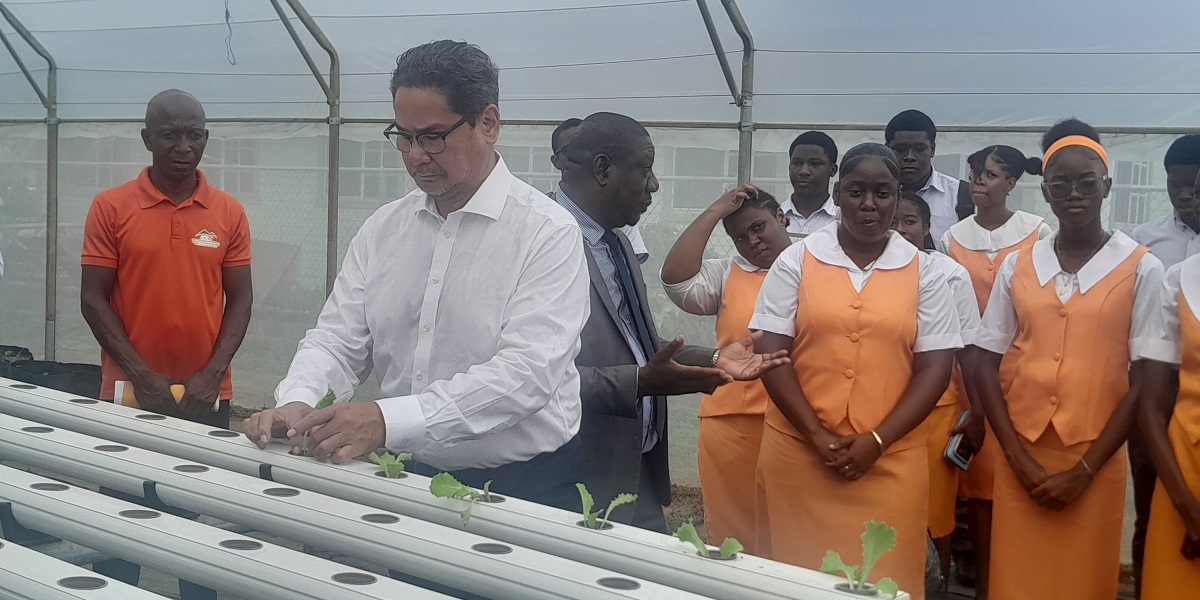
    Students pursuing technical and vocational education in St. Vincent and the Grenadines now have greater access to modern agricultural technology following the handover of a complete greenhouse and Nutrient Film Technique (NFT) hydroponic system to the St. Vincent and the Grenadines Community College.

    The facility, located at the College’s Technical and Vocational Education and Training Division, was officially handed over on Wednesday, November 4, as part of an initiative supported by the Food and Agriculture Organization of the United Nations (FAO) in partnership with the Government of St. Vincent and the Grenadines.

    The investment is being implemented under FAO’s Technical Cooperation Programme project, TCP/SVG/4001 – “Building Effective Public-Private Partnerships for Production and Marketing of Sustainable Agricultural Products.”

    The new greenhouse and hydroponic system is expected to serve as a practical learning facility, allowing students to move beyond the classroom and gain hands-on experience in protected agriculture and modern crop-production technologies.

    It also represents a potentially important investment in the future of agriculture, particularly at a time when the country is seeking to encourage greater youth participation, improve productivity and strengthen the commercial viability and resilience of local food production.

    NFT hydroponics allows crops to be produced without conventional soil cultivation. Instead, plant roots receive water and nutrients through a controlled circulating system, allowing producers to manage growing conditions more precisely.

    For students, the technology provides exposure to an increasingly important approach to agricultural production and an opportunity to develop practical skills that can be transferred into employment, entrepreneurship and commercial farming.

    The handover comes during an FAO technical mission to St. Vincent and the Grenadines from November 2 to 6, involving specialists in greenhouse production and agricultural value-chain development.

    The visiting team includes Greenhouse Specialist Jervis Rowe, along with value-chain specialists Dr. Omardath Maharaj, Juan Cheaz and Jefferson Jaikissoon.

    But the week’s activities extend well beyond the handover.

    FAO specialists are working with the Ministry of Agriculture and local stakeholders on several areas intended to strengthen the country’s agricultural value chains.

    These include technical training in greenhouse operation, nutrient and water management, system sanitation and maintenance, as well as enterprise development, partnerships, contract farming and cost-of-production analysis.

    The project is also examining how farmers can become more competitive by understanding their actual production costs, break-even points and appropriate selling prices, an area considered critical to transforming farming from primarily a production activity into a sustainable business.

    Hot pepper farmers participating in the programme are also being visited during the mission, with the technical team assessing crop establishment, irrigation and fertigation, pest and disease challenges, input use, production constraints and marketing arrangements.

    Work is continuing in the coconut sector as well, including propagation, nursery management, farmer identification and plans for field establishment.

    Farmers in Bequia are also expected to benefit from training in protected agriculture, contract farming, partnerships for market-oriented production and farm competitiveness.

    The Community College investment, however, puts education and young people directly into that broader agricultural transformation.

    Rather than students learning about new agricultural technologies only in theory, the greenhouse and NFT system provide an environment in which they can see, operate and understand the technology firsthand.

    It also strengthens the connection between technical education, agriculture and entrepreneurship, potentially giving young Vincentians another pathway into an agricultural sector that is becoming increasingly dependent on technology, business skills and efficient use of resources.

    The handover brought together representatives of FAO, the Ministry responsible for Agriculture, the St. Vincent and the Grenadines Community College and other project partners.

    The initiative forms part of a broader effort by FAO and the Government to build agricultural value chains that are more productive, competitive, sustainable and market-oriented, while developing the technical skills necessary to support that transition.

    With the greenhouse and hydroponic system now available to the Community College, the investment is expected to continue paying dividends beyond Wednesday’s ribbon-cutting, through the students who will train there, the skills they acquire and, ultimately, the farms and agricultural enterprises they may establish or support.

  • RSS, UWI chart new course for Caribbean security

    RSS, UWI chart new course for Caribbean security

    The Regional Security System (RSS) and The University of the West Indies (The UWI) have committed to turning regional security dialogue into joint action, with a focus on tackling financial crime, strengthening climate security, advancing prevention strategies and harnessing artificial intelligence to build safer, more resilient Caribbean societies.

    The commitment was formalised through the commemorative signing of a Memorandum of Understanding (MOU) during the inaugural Caribbean Security Futures Symposium, the first major initiative under the new UWI-RSS partnership.

    Held from October 7-9, 2026, at the Wyndham Grand Barbados, the three-day symposium was convened jointly by the two institutions under the theme, “Towards Smart Technologies, Safe Spaces and Resilient Communities.” It brought together government ministers, defence and police chiefs, regulators, prosecutors, regional agencies and academics from across the Caribbean and beyond to identify priorities and collaborative approaches to emerging security challenges facing the region.

    The commemorative signing ceremony, held on October 7, was executed by Major The Honourable St. Clair Leacock, Deputy Prime Minister of St. Vincent and the Grenadines and the Regional Security System Chairman of the Council of Ministers, and Professor Derek Chadee, Deputy Principal of The UWI St. Augustine Campus, on behalf of Vice-Chancellor Professor Sir Hilary Beckles. The MOU establishes a framework for collaboration across six key areas: Joint Training and Capacity Building, an Internship Programme, Research and Development, Crisis Management and Emergency Response, Community Engagement, and Innovation and Technology Development.

    By combining the RSS’s security expertise with The UWI’s strengths in research and policy development, the partnership aims to bridge the gap between academic insight and practical decision-making. The partnership comes as interrelated challenges, including organised crime, cyber threats, illicit financial activity and climate-related risks, continue to test the resilience of Caribbean security institutions.

    “The Caribbean does not lack an understanding of its security challenges. What we must now demonstrate is our collective ability to respond effectively, consistently and together,” said

    Ms. Sandrea Maynard, Pro Vice-Chancellor, Global Affairs at The UWI, who co-led the symposium’s organisation with Mrs. Rhea Reid-Bowen, Director of Strategic Services and International Affairs at the RSS Headquarters, and chaired the proceedings.

    “Our ambition must be more than producing research about Caribbean security. It must be to put knowledge to work in strengthening institutions and protecting people,” she added. “The measure of this symposium must not be the number of recommendations we make, but the difference those recommendations make.”

    Rear Admiral Errington Shurland, Executive Director of the RSS, said “The partnership brings academic rigour and operational experience into close dialogue. We have come together with a shared responsibility: to ensure that the Caribbean continues to generate its own ideas, strengthen its own capabilities and help shape its own security future.”

    Reflecting on the first day’s discussions, Brigadier-General The Honourable Carlos Lovell, Chief of Staff of the Barbados Defence Force, said the RSS-UWI partnership “offers a foundation for strategic security think tanks and a continuing network of research and foresight.” He added: “The criminals are working together for their own mutual interest and in order to bring them to justice; we must discard the silos and strengthen our own networks.”

    The programme opened with a framing address by The Honourable Wilfred Abrahams, S.C., M.P., Attorney-General of Barbados, on the region’s shared exposure to illicit financial flows, while day 2 proceedings commenced with a framing address titled The Importance of Shared Solutions for Building Regional Capacity by Major The Honourable St. Clair Leacock.

    Over the three-day symposium, participants emphasised the need to strengthen regional cooperation by placing financial investigations and asset recovery at the centre of efforts to combat organised crime, while improving information-sharing across agencies and jurisdictions. Discussions also highlighted the importance of pooling scarce resources, enhancing intelligence cooperation and developing shared mechanisms to build regional capacity.

    Delegates stressed that climate-related threats must be treated as national security concerns given their impact on public health, communities and security systems. The Symposium further underscored the value of prevention-focused approaches and community-led safety initiatives, recognising that enforcement alone cannot deliver secure societies. Participants also agreed that as artificial intelligence becomes increasingly embedded in security operations, its use must be guided by strong governance frameworks that ensure technology complements, rather than replaces, human judgement and accountability.

    UWI academics contributed throughout the programme. They included Professor Justin Robinson, Pro Vice-Chancellor and Principal of the Five Islands Campus, on virtual assets; Professor Suzette Haughton on transnational organised crime and irregular migration; and Dr. Michał Pawiński of the Institute of International Relations, who chaired two panels.

    RSS directors also participated in the Symposium, namely Mrs. Rhea Reid-Bowen, Director of Strategic Services and International Affairs, who chaired two panels, and Ms. Kisha Sutherland, Director of the Asset Recovery Unit, who presented on Strengthening Collective Security Through Financial Integrity.

    Additionally, a number of experts and other personnel contributed to the various platforms on their subject area of expertise. Some persons of note included Lieutenant Colonel Michael Jones, Executive Director of CARICOM IMPACS, Ms. Paula Llewellyn, former Director of Public Prosecutions Jamaica, Mr. Marlon Cooper, Group Head Managed Security Services Digicel Business, Ms. Elizabeth Riley, Executive Director Caribbean Disaster Emergency Management Agency, and Dr. Macarena Rau Vargas, President of International CPTED Association.

    In her closing remarks, PVC Maynard noted the intention of The UWI and the RSS to draw the symposium’s recommendations into a focused action framework, with named institutional leads, achievable milestones and a timetable for review. The partners plan to review progress within three months and reconvene within twelve months to assess implementation and track measurable outcomes.

    On the final day of the Symposium, to collectively close proceedings, Mrs. Reid-Bowen noted the symposium was instrumental in that it really forced participants to reflect on what is known and to also come to terms with what was perceived about the Caribbean criminogenic environment, and those enabling factors from social, economic and other dimensions impacting how threats and risks materialise in our space.

    More particularly, immense opportunity was provided for assessing the adequacy of the RSS’ security architecture to respond to the evolving needs of this collective group, the strategic repositioning of this respected organisation that is needed, and the strategic partnerships necessary to ground its collective operational actions in thorough research on current and emergent security issues.

    “The due outs of the Symposium speak to the core of the strategic importance of our relationship with the UWI and the design and implementation of evidence-based security interventions that reflect regional realities,” she said.

    Sessions from the symposium are available on demand via UWItv’s Youtube channel. More information is at caribbean-security.academic.ws.

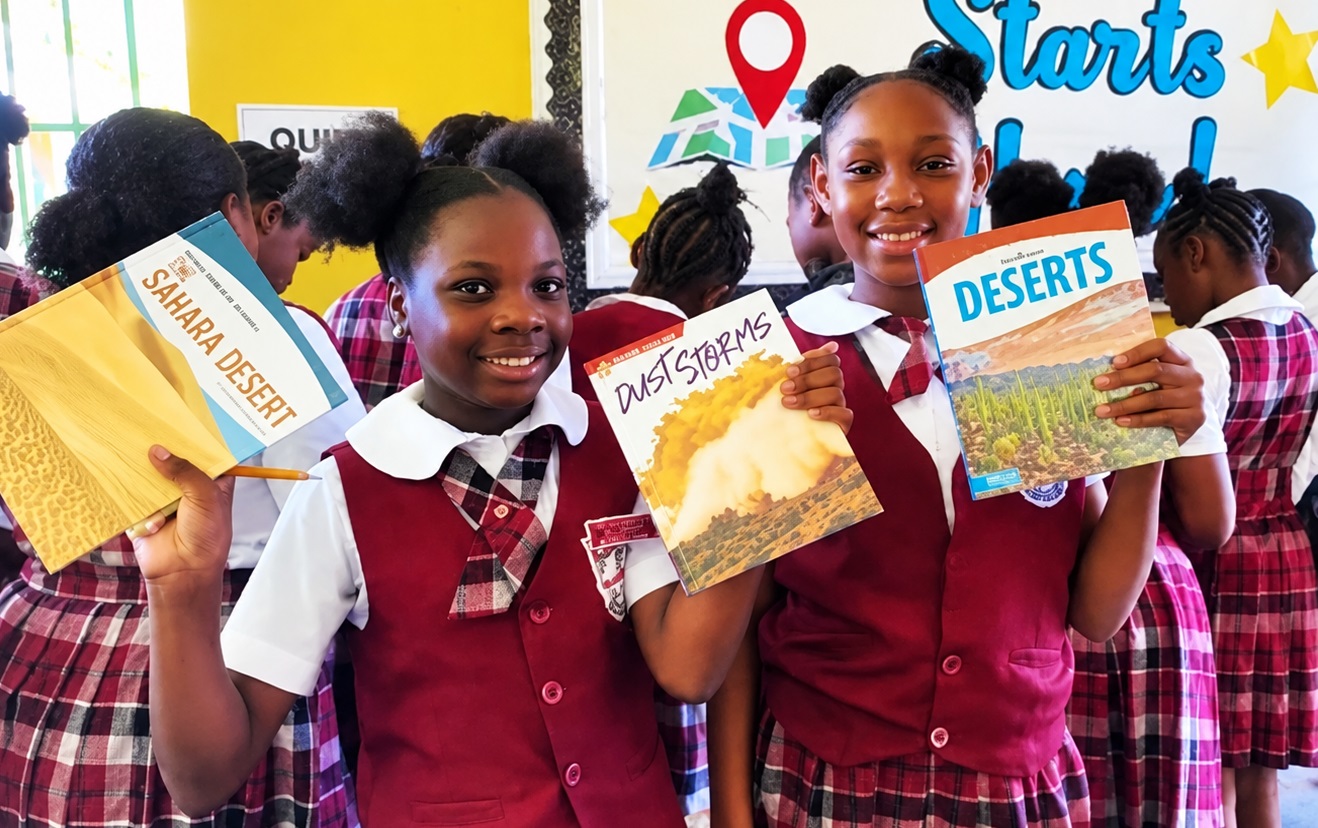
  • World Caribbean Books’ push for global distribution

    World Caribbean Books’ push for global distribution

    Publishers Weekly CEO backs World Caribbean Books’ push for global distribution

    World Caribbean Books is pursuing a business opportunity from its Corporate Headquarters in The Bahamas that stretches across the region. Caribbean histories, research and stories could reach readers around the world through a company owned and built by Caribbean people.

    Its publishing and distribution network, which extends across 190 countries, has earned praise from Cevin Bryerman, CEO of Publishers Weekly.

    “World Caribbean Books is transforming the region into a global marketplace for distribution of books.” Bryerman said.

    On Friday 6 November 2026, he will join Albert Cox, CEO and Publisher of World Caribbean Books, for Opening the Caribbean to the Global Book Industry, a free webinar premiering on YouTube, Spotify and Apple Podcast to discuss what that opportunity means for the region’s authors, publishers and institutions.

    WCB combines publishing, wholesale supply, retail and international distribution. Its online global bookstore organises Caribbean collections by country and territory, including Antigua and Barbuda, Barbados, Belize, Grenada, Saint Kitts and Nevis, Saint Vincent and the Grenadines and Suriname, alongside the larger regional markets. Collections also cover Aruba, Curaçao, Guadeloupe and Martinique, reflecting the Caribbean’s different languages and literary traditions.

    The company also partners with institutions and organisations to develop research, archival records and other material into publications. Its revenue-sharing model is intended to generate returns for both WCB and its publishing partners.

    Cox said the company’s focus has been “to build the global infrastructure for the Caribbean region, which we have done!” Giving access to international book markets so “Caribbean voices can be amplified with dignity and respectability”.

    A publisher with more than 20 years of publishing experience, Cox co-founded the business with Leslie Simone Cox. Its operations include entities incorporated in The Bahamas, the United States and upcoming UK under the World Caribbean Books banner. The company reports access to a catalogue of more than 30 million titles, including Caribbean literature, international bestsellers and textbooks.

    The conversation comes as writers from across the Caribbean earn international recognition. Haitian-American Edwidge Danticat received the 2026 PEN/Nabokov Award for Achievement in International Literature, while Jamaica’s Lorna Goodison won the 2026 Derek Walcott Prize for Poetry, announced in October. Zephrine Royer of Dominica won the 2026 Brooklyn Caribbean Literary Festival Elizabeth Nunez Award for Writers in the Caribbean in September.

    Saint Lucia-born Canisia Lubrin won the 2025 Carol Shields Prize for Fiction for Code Noir, and Trinidad and Tobago’s Kevin Jared Hosein won the 2024 Walter Scott Prize for Hungry Ghosts. Guyana-born Tessa McWatt took the overall 2026 OCM Bocas Prize for Caribbean Literature for The Snag.

    Independent authors are sharing in that recognition. Trinidad-born Scarlet Ibis James won the 2026 NYC Big Book Award for Multicultural Fiction for Scarlet Yearnings Beyond First Glance, while Guyanese Jasmaine Payne’s self-published debut Leech took second place at the 2026 BookFest Awards. For WCB, the opportunity is to help a wider range of Caribbean books reach international readers through publishing and distribution.

    The potential audience extends across generations and borders. United Nations estimates cited by the Migration Policy Institute put the number of Caribbean migrants living outside their countries of birth at approximately 9.6 million in 2024. That figure excludes their overseas-born descendants, many of whom also have family and cultural connections to the region. For Caribbean publishers, reaching these communities means understanding the distribution arrangements and trading conditions in each market.

    Within The Bahamas, WCB’s activities have included school literacy outreach, support for the public library service and a book fair connecting authors with readers. It has also hosted a publishing conference in Nassau featuring representatives from Publishers Weekly, Ingram Content Group and Westchester Publishing, with discussions covering distribution, print-on-demand technology and educational markets.

    Bryerman brings more than 35 years of publishing experience to the November webinar. He is also President of PW Content Studio and serves on the advisory board of New York University’s Center for Publishing, Writing, and Media. Founded in 1872, Publishers Weekly provides reporting, reviews and industry information for publishers, booksellers, librarians, literary agents and authors.

    Authors, publishers, educators, researchers and literary organisations across the Caribbean and its diaspora are invited to watch.

    Opening the Caribbean to the Global Book Industry premieres free on Friday 6 November 2026 at 10 am (EST) on @WorldCaribbeanBooks’ YouTube channel.